
Published: March 21, 2026 | Author: Rooksbet Casino Team
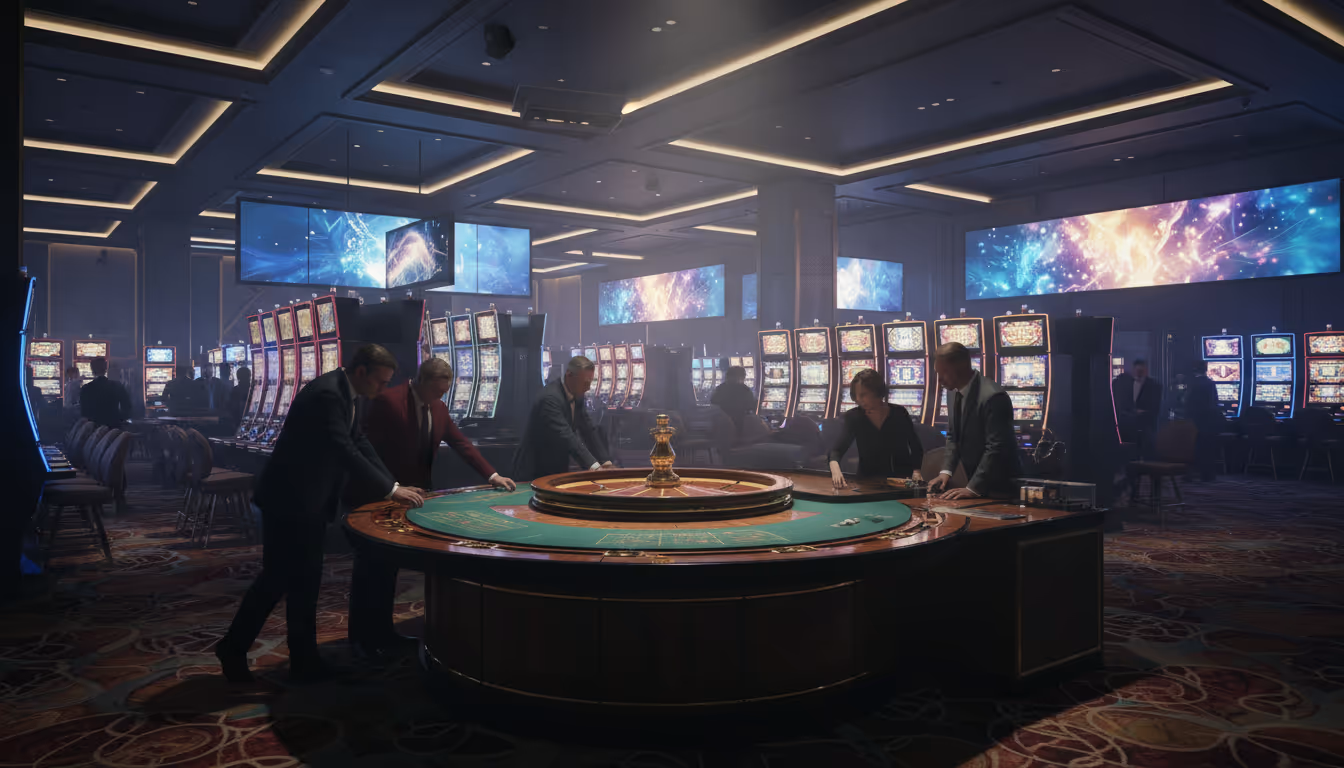
Excerpt: Ever felt time vanish inside a casino? That's no accident. Casinos masterfully deploy mind-bending tricks—near-misses that tease victory, lights and sounds that hijack your brain, mazes that trap you in euphoria. But you can fight back! Discover the secrets and powerful strategies to reclaim control at Rooksbet Casino.
Your heart races. Bells ring. Lights flash. One more spin... just one more. Before you know it, hours have melted away. Casinos aren't just places to play—they're engineered psychological battlegrounds designed to captivate, excite, and subtly manipulate. But knowledge is your greatest weapon. Today, we expose these cunning tactics and arm you with unbeatable countermeasures. Stay sharp, stay empowered, and turn the tables at Rooksbet Casino.
The Near-Miss Effect: The Cruelest Tease
Two cherries... and a blank. So close! Your brain lights up like you won. This is the infamous near-miss effect—a deliberate design that activates the same dopamine pathways as actual victories. Studies show near-misses feel more rewarding than small wins, fueling the urge to chase "the next one." It's intoxicating... and engineered. Those cherries themselves carry a history stranger than fiction — our guide to the secret language of slot machine symbols reveals how even the icons on the reels were designed with psychological intent from the very beginning.
"Near-misses aren't accidents—they're the casino's most powerful hook, making losses feel like almost-wins."
Imagine the rush: reels stop tantalizingly close, sounds swell with excitement, lights pulse as if celebrating. Your mind screams, "It's coming!" even though math says otherwise. This emotional high overrides logic, turning rational players into relentless chasers. But recognizing it shatters the illusion—suddenly, that "close call" is just another loss, not a promise.
Sensory Overload: Lights, Sounds, and the Time Warp
No clocks. No windows. Blinding lights. Constant celebratory jingles—even on losses. Casinos bombard your senses to distort time and boost risk-taking. Research from the University of British Columbia shows these cues make players ignore odds and gamble more aggressively. The chaos keeps you aroused, distracted, and blissfully unaware of passing hours.
Maze Layouts & Disorienting Design: The Trap You Can't See
Twisting paths, wild carpets that force your eyes upward, no straight exits. Every turn pulls you deeper into temptation. The infamous "maze-like" floor isn't poor architecture—it's calculated confusion to keep you playing longer. And this atmosphere is no accident: the same tension that grips you in a real casino is what made Hollywood's most iconic casino scenes so viscerally compelling — directors understood these psychological levers long before neuroscience gave them names.
| Trick | How It Works | How to Beat It |
|---|---|---|
| Near-Miss Effect | Triggers dopamine like a win, encouraging "one more try" | Set strict loss limits; treat near-misses as losses—walk away |
| No Clocks/Windows | Distorts time perception, extends sessions | Use a watch/phone timer; schedule breaks every 60 minutes |
| Sensory Overload | Lights/sounds increase arousal and risk-taking | Play in focused mode; wear earplugs or lower volume if possible |
| Maze Layout | Confuses navigation, keeps you inside | Know your exit route beforehand; set a firm departure time |
| Illusion of Control | Buttons, levers make you feel influential | Remember RNG rules everything—focus on bankroll, not "hot" machines |
Frequently Asked Questions
What is the near-miss effect in casinos?
The near-miss effect occurs when you come tantalizingly close to winning—like two jackpot symbols and a near one—triggering the same brain reward pathways as actual wins, making you feel victory is imminent and encouraging continued play.
How do casino lights and sounds manipulate players?
Flashing lights, celebratory jingles, and constant winning sounds create sensory overload, boosting arousal and risk-taking while distorting time perception and masking losses to keep you engaged longer.
Why do casinos have no clocks or windows?
Removing clocks and natural light eliminates your sense of time passing, trapping you in a timeless bubble where hours vanish unnoticed, dramatically increasing session length and spending.
Armed with these insights, you're no longer just a player—you're a strategist. Casinos may design the environment, but you control your choices. Set limits, recognize the tricks, and play with power. What's fascinating is that the developers building today's online games are deeply aware of these dynamics — our exclusive behind-the-scenes interviews with casino game developers pull back the curtain on exactly how they balance excitement with player wellbeing. Ready to experience gaming on your terms? Join Rooksbet Casino today—where excitement meets responsibility, and every session is empowering.
For deeper reading on casino design psychology, explore this insightful article from the Gateway Foundation.